Updated by 05.15.2026
Two-Factor Authentication for Payment Processing: Why It Matters
In 2026, the security of online transactions is more important than ever. Cyber threats are growing more sophisticated by the day, and payment processing systems are susceptible. For businesses that handle financial data, a single breach can mean lost revenue, regulatory penalties, and lasting damage to customer trust.
Two-Factor Authentication (2FA) is one of the most effective tools in a broader payment fraud detection strategy. It adds an essential second layer of verification that stops unauthorized access even when passwords are compromised. In this article, we break down what 2FA is, why it matters for payment processing specifically, and how businesses can leverage it.
What Is Two-Factor Authentication (2FA)?
Two-Factor Authentication is a security process that requires users to verify their identity in two distinct ways before accessing an account or completing a transaction. Unlike traditional password-only login, 2FA adds a second layer that’s significantly harder for attackers to bypass.
The two factors typically are:
- Something you know: A password or PIN.
- Something you have: A smartphone, hardware token, or authenticator app that generates a one-time code.
Even if a password is compromised, an attacker still can’t gain access without the second factor. That’s what makes 2FA so effective in practice.
Why 2FA Is Essential for Payment Processing
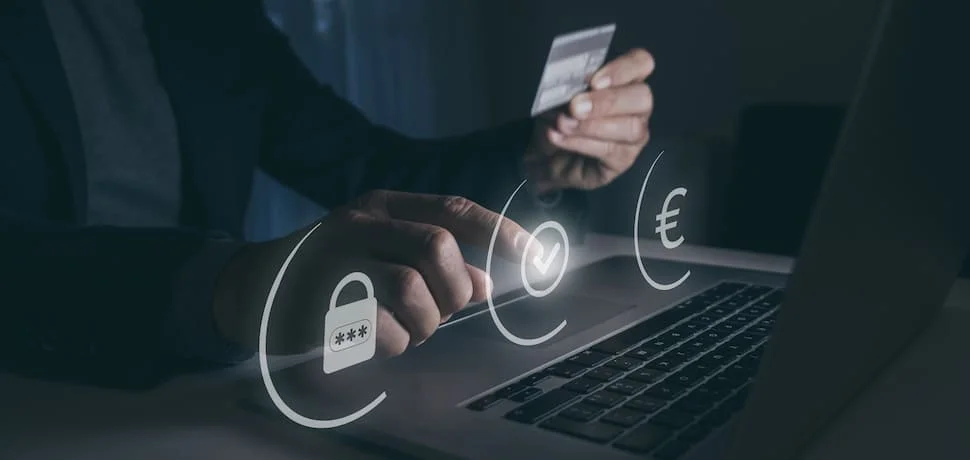
Payment data is among the most targeted information on the internet. Credentials can be stolen, phishing can trick even careful users, and once an attacker has a valid username and password, a single-factor system offers nothing standing between them and a live transaction. That’s the problem 2FA solves, and why it’s become a non-negotiable part of secure payment infrastructure.
Each section below covers a specific reason why 2FA matters, from fraud prevention to regulatory compliance to gateway-level security.
It Significantly Reduces Fraud
Payment systems are a prime target for cybercriminals. Phishing attacks, credential stuffing, and data breaches can expose login information at scale — and passwords alone offer little protection once that happens.
With 2FA in place, stolen credentials become far less useful. The second verification step, usually a time-sensitive code, closes the short window attackers rely on to act after a password is compromised. According to the Federal Trade Commission, payment fraud continues to rise every year, and 2FA is one of the most reliable ways to stop it.
It Protects Sensitive Financial Data
Payment processors handle enormous volumes of sensitive financial information every day. A breach doesn’t just affect one account — it can expose thousands of customers simultaneously. 2FA ensures that even if login credentials are compromised, unauthorized access is blocked before any data can be reached. This is especially important in sectors like healthcare and government, where the stakes around data privacy are particularly high.
It Keeps You Compliant
Regulatory requirements around payment security have tightened considerably. In the EU, Strong Customer Authentication (SCA) under PSD2 mandates 2FA for most online transactions. In the US, standards like PCI DSS and various state-level privacy laws establish clear requirements for how payment data must be protected. Implementing 2FA isn’t just good security practice; for many businesses, it’s a legal requirement. Getting it right keeps you on the right side of regulators and avoids expensive penalties.
It Strengthens Payment Gateway Security
Payment gateways handle billions of dollars in transactions every day, making them a leading target in the financial ecosystem. E-Complish’s partnership with Wells Fargo, one of the largest banks in the U.S., reflects the security standards this environment demands.
Focused on government accounts and split-fee processing, the partnership gives mid-sized and enterprise clients access to payment infrastructure built to the same rigorous standards Wells Fargo applies to its own operations.
Protect Your Payment Gateway!
Robust security starts with the right authentication. Reach out to E-Complish for a consultation and discover how 2FA fits into your payment infrastructure.

How 2FA Works in Payment Systems
There’s no one way to implement 2FA — payment processors use different methods depending on the transaction type and risk level.
SMS and Email Verification
Once the user enters a username and password, they receive a one-time passcode via text or email. It’s simple, widely supported, and easy to deploy. The main limitation is vulnerability to SIM-swapping attacks, which is why SMS verification is often paired with additional security measures for higher-risk transactions.
Authenticator Apps
Apps like Google Authenticator and Authy generate time-sensitive codes that expire every 30 seconds. Because they operate independently of the cellular network, they’re more resistant to interception than SMS. For most payment processing environments, authenticator apps balance security and usability.
Biometric Authentication
Fingerprint scans and facial recognition are becoming more common as second factors, especially in mobile payment apps. Biometric 2FA links verification to something physically unique to the user, making it one of the hardest methods to spoof. As mobile payments continue to expand, biometric authentication will become the standard rather than the exception.
Business Benefits of 2FA for Payment Processing
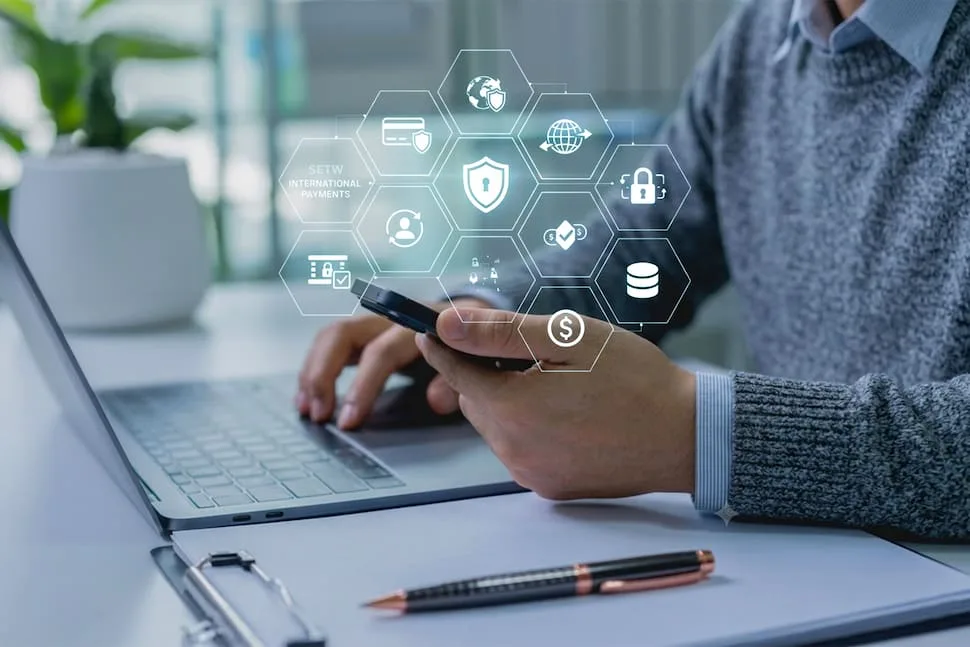
Security investments are often framed as a cost of doing business — something you pay for and hope never to need. However, 2FA is different. Beyond protecting against breaches, it delivers measurable business benefits that show up in customer behavior, operational efficiency, and bottom-line results.
Here’s where the returns are most visible:
Customers Trust Platforms That Take Security Seriously
Security concerns are a major reason consumers abandon payment flows or avoid certain platforms altogether. When businesses visibly implement 2FA, it sends a clear signal: customer data is being protected. That confidence translates directly into higher conversion rates and stronger long-term retention.
Fewer Chargebacks and Disputes
Fraudulent transactions lead to chargebacks, and chargebacks are expensive. Beyond the direct financial loss, they consume staff time, damage merchant ratings, and can trigger additional scrutiny from payment networks. 2FA helps reduce fraudulent transactions at the source, leading to fewer disputes to resolve on the back end.
Security That Scales with Your Business
As transaction volume grows, so does exposure to fraud. 2FA scales without friction — whether you’re processing dozens of payments a day or hundreds of thousands, the authentication layer works the same way. It doesn’t slow down legitimate users, and it keeps pace with your growth without requiring significant re-engineering.
What’s Next for 2FA in Payment Processing?
The evolution of 2FA is already underway. Multi-factor authentication (MFA) systems combine biometrics, behavioral analysis, and device fingerprinting to create authentication experiences that are both more secure and less disruptive for users. Passkeys, a password-free standard that major technology platforms are backing, are gaining traction as a potential successor to traditional 2FA methods.
For businesses in payment processing, it’s not optional to stay ahead of these developments. The threat environment moves fast, and authentication standards will continue to evolve alongside it. E-Complish continuously updates its security infrastructure to reflect current best practices, ensuring that the agencies and businesses it serves remain protected as the standard shifts.
Make Security a Foundation, Not an Afterthought
Payment fraud continues to rise, and regulatory expectations around data protection aren’t easing either. Two-factor authentication remains one of the simplest, most proven ways businesses can strengthen security while reinforcing customer trust.
E-Complish, backed by its partnership with Wells Fargo, builds 2FA into the foundation of its payment processing solutions. If you’re ready to strengthen your payment security, get in touch with our team today.
Table of Contents
Table of Contents