Updated by 12.08.2025
Merchant Account vs. Payment Gateway: How They Work Together for New York Businesses
When New York businesses prepare to accept electronic payments, they often encounter two essential components: merchant accounts and payment gateways. While these terms are frequently searched as “merchant account vs. payment gateway,” this framing can be misleading.
In reality, these aren’t competing alternatives — they’re complementary partners in the payment processing ecosystem. To successfully process transactions, your business needs both to work in harmony. E-Complish offers comprehensive payment acceptance solutions that integrate both components seamlessly for New York businesses.
What Is a Merchant Account?

A merchant account is a specialized business bank account that serves as a holding area for funds from credit and debit card transactions. Unlike your business’s main bank account, where you manage daily operations, a merchant account specifically handles payment processing activities.
How It Works
When a customer pays for your products or services with their credit or debit card, the funds don’t go directly to your business account. Instead, they first land in your merchant account, where they’re held temporarily before being transferred to your business bank account. This typically happens within a few business days, depending on your payment processor and acquiring bank.
Role in Payment Processing
The merchant account helps intermediate between the customer’s bank (the issuing bank) and your business account. This separation exists for security and risk management purposes. Payment service providers and acquiring banks use merchant accounts to:
- Monitor transaction patterns for suspicious activity
- Manage chargebacks and disputes
- Ensure compliance with payment industry regulations
- Hold funds before settlement to your business account
For businesses accepting electronic payments, particularly those in healthcare, retail, and hospitality with high transaction volumes, having a merchant account is non-negotiable. The merchant account holds funds from debit and credit card payments while maintaining proper separation from your operating funds.
What Is a Payment Gateway?

A payment gateway is the technology that captures and transmits payment information securely between your business, the customer, and the various financial institutions involved in the transaction. Think of it as the digital equivalent of a point-of-sale terminal in a physical store.
How It Works
The payment gateway collects sensitive payment information from customers (such as during online shopping or contactless payments), then encrypts this data to protect it during transmission. After encryption, the gateway sends the information to the payment processor, which communicates with the customer’s issuing bank to verify the availability of funds and the legitimacy of the transaction.
Within seconds, the gateway receives an approval or decline response and relays it back to both the business and the customer, completing the authorization process.
Role in Payment Processing
Payment gateway providers offer various features beyond basic transaction processing, including:
- Fraud detection tools and security monitoring
- Support for multiple payment gateways and alternative payments
- Analytics to help improve transaction success rates
- Integration with various e-commerce platforms
These features are particularly beneficial to hospitality businesses managing high volumes of customer transactions. For online businesses, an online payment gateway is essential for accepting payments online and processing online transactions.
Your Payment Infrastructure Deserves Expert Attention
At E-Complish, we specialize in creating customized payment processing solutions that combine the right merchant account with the ideal payment gateway for your industry, transaction volume, and business goals throughout New York.

The Difference Between Payment Gateway and Merchant Account
While both components are essential for payment processing, they serve distinctly different functions in the transaction lifecycle.
Function and Purpose
Think of the merchant account as a financial holding account, where the actual money from transactions resides temporarily. The merchant account holds funds from customer purchases before transferring them to your business’s main bank account. This is purely a financial function focused on cash flow management.
On the other hand, the payment gateway is a technology solution. It doesn’t hold money; it transmits information. The payment gateway encrypts and communicates payment data between all parties involved in the transaction. It’s the communication hub that allows for the electronic exchange of payment information.
When They’re Used
A merchant account is involved in every card-present and card-not-present transaction where card payments are accepted. Whether you’re processing in-person debit card payments or online card payments, funds flow through your merchant account.
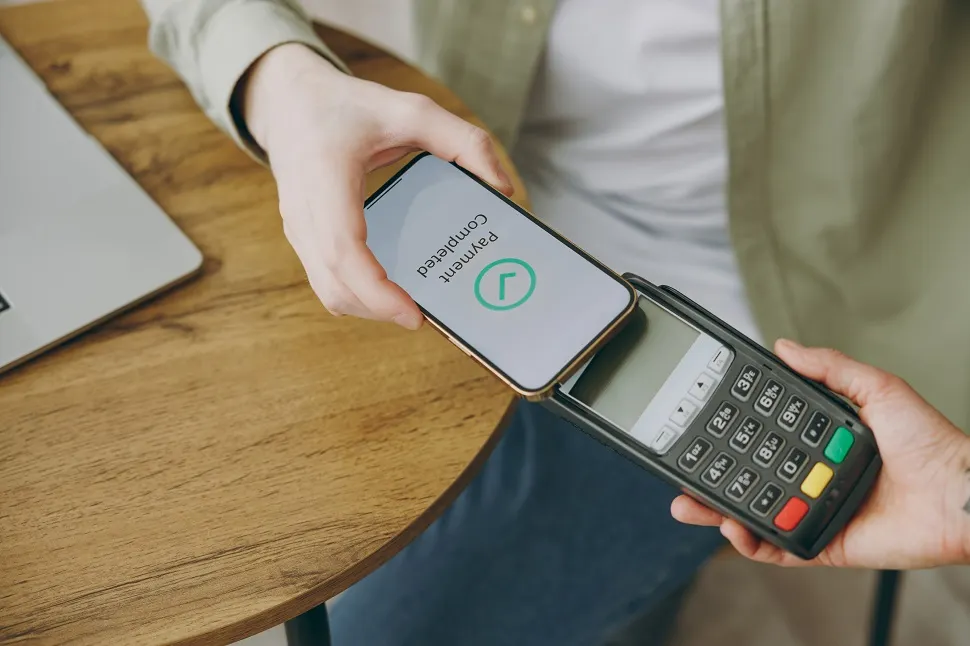
The payment gateway specifically handles the digital transmission of payment details. While it’s always required for online payments and e-commerce transactions, physical retail locations might use different technology (like traditional terminals) for in-person transactions, though many modern systems integrate payment gateway technology even for face-to-face sales.
Setup and Management
Setting up a merchant account typically involves an application process with an acquiring bank or payment service provider. You’ll need to provide business documentation, undergo credit checks, and agree to transaction fees and monthly fees. Many payment service providers offer bundled solutions that combine a payment gateway and a merchant account.
Payment gateway providers may offer their services separately or as part of a comprehensive payment solution. Some businesses use their own merchant account but connect it to a separate payment gateway, while others opt for all-in-one solutions from payment service providers that handle both.
How Merchant Accounts and Payment Gateways Work Together
The easiest way to understand the relationship between payment gateways and merchant accounts is by following a transaction from start to finish. These two components don’t compete — they collaborate at different stages of every transaction.
Step 1: Customer Initiates Payment
When a customer pays for your product or service, they enter their payment information—credit or debit card details, billing information, and transaction amount. This could happen on your website, through a mobile app, or via pay-by-text payments.
Step 2: Payment Gateway Captures and Encrypts
The payment gateway collects this sensitive data and immediately encrypts it. This encryption protects customer data as it begins its journey through the payment infrastructure. The payment gateway acts quickly, typically completing this process in milliseconds.
Step 3: Authorization Request
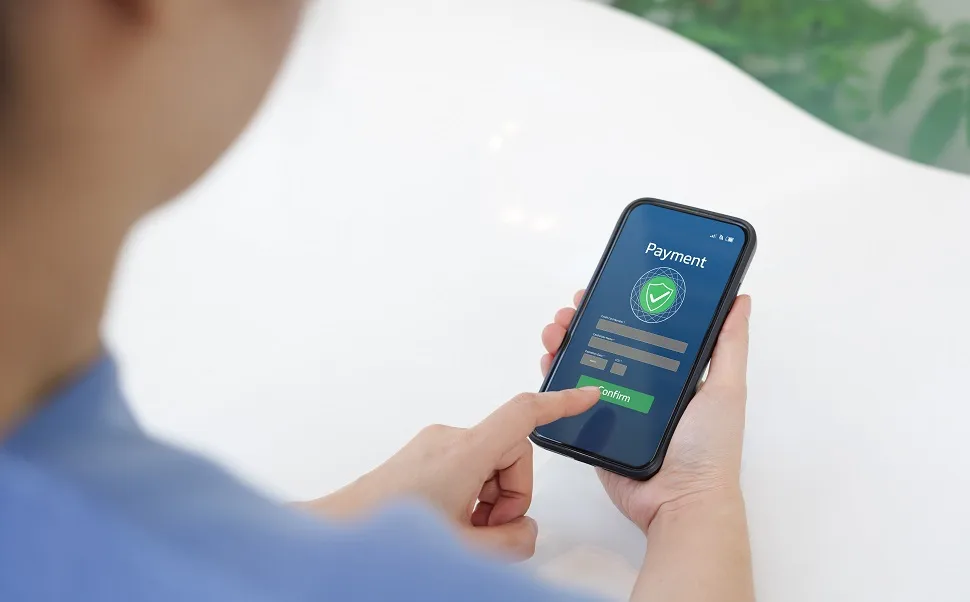
Next, the payment gateway sends the encrypted transaction data to the payment processor, which communicates with the customer’s bank. The customer’s issuing bank checks whether sufficient funds exist in the customer’s account and verifies that the transaction isn’t fraudulent.
Step 4: Response and Approval
The customer’s bank sends a response back through the chain, first to the payment processor, then to the payment gateway. The payment gateway relays the approval or denial to both your business and the customer. This entire authorization process typically takes just 2-3 seconds.
Step 5: Settlement and Funding
Here’s where the merchant account becomes central. Once transactions are approved, the payment processor communicates with the acquiring bank to settle the funds. Money from the customer’s account is transferred to your business’s merchant account. The merchant account holds these funds temporarily, usually for 1-3 business days, before they’re deposited into your business account.
This collaborative process happens for every transaction, whether you’re handling online transactions through an online payment gateway or processing in-person credit and debit card payments. Both merchant accounts and payment gateways are essential to process transactions successfully, as neither can function without the other.
Do You Need Both a Merchant Account and a Payment Gateway?
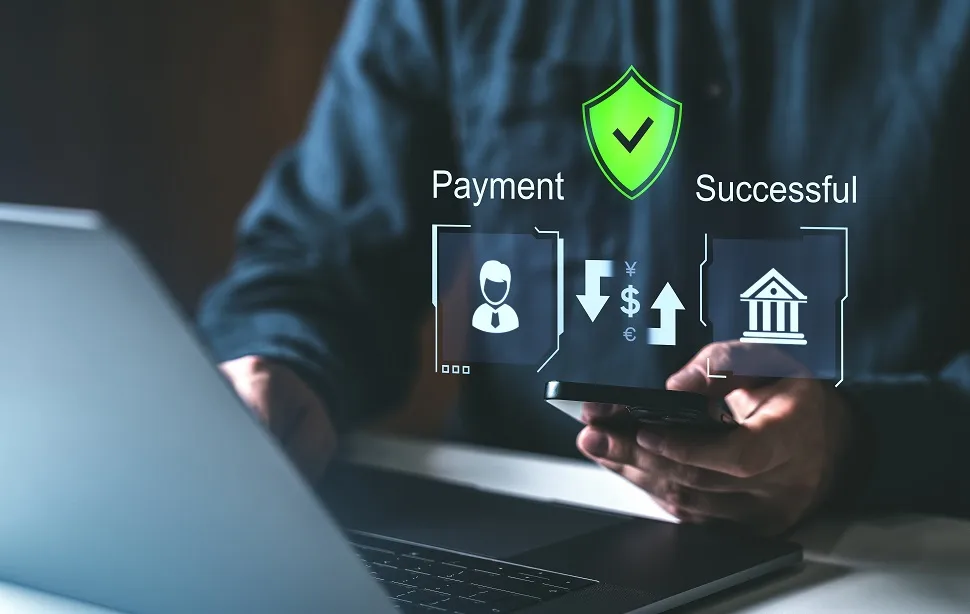
The simple answer is yes — both components are needed to process payments successfully. Don’t think of them as alternatives you choose between; they’re partners that work together to handle every transaction.
When You Need Both
Different business types require both components, though the specific implementation may vary based on your operations and transaction methods:
- Online businesses: Payment gateway transmits data securely, while the merchant account receives and holds funds until settlement.
- Brick-and-mortar stores: Retail businesses process credit and debit card payments through POS systems that incorporate both gateway functionality and merchant account settlement.
- High-volume businesses: Custom transaction rates and robust fraud detection require both components working together to handle large volumes efficiently.
- Subscription services: Payment gateway manages recurring billing and automatic payments, while the merchant account holds funds from each subscription transaction.
Regardless of your business model, both a payment gateway and a merchant account are essential to process customer payments successfully.
All-in-One Solutions vs. Separate Services
When setting up your payment processing infrastructure, you’ll need to decide whether to use a bundled solution or work with separate providers for each component:
- Bundled solutions: A single provider offers both a payment gateway and a merchant account with simplified setup, unified support, and easier integration.
- Separate providers: Greater flexibility to select specialized services for each function, negotiate better rates, and access specific features from different payment gateway providers.
- Third-party aggregators: Services like PayPal or Square provide quick setup with shared merchant accounts, ideal for small businesses, but with higher per-transaction costs and less control.
The main takeaway is that whether bundled or separate, you still need both a payment gateway and a merchant account functioning together to process payments.
Choosing the Right Payment Gateway and Merchant Account

Your business needs will be the driving factor in selecting the appropriate payment gateway providers and acquiring bank for your merchant account.
Transaction Volume and Type
If you primarily process online transactions, look for payment gateway providers specializing in e-commerce with robust fraud detection and support for various payment options. Businesses with high transaction volumes should negotiate transaction fees and monthly fees based on their volume to get the most cost-effective payment solution.
Industry-Specific Requirements
Different industries have unique payment processing needs. For example, healthcare providers need HIPAA-compliant solutions that protect customer data while handling patient payments. Hospitality businesses benefit from payment solutions supporting contactless and mobile payments, while financial institutions require enhanced security and multiple layers of fraud detection.
Geographic Considerations
For New York businesses, working with payment service providers familiar with local business requirements and banking relationships can streamline setup. Some acquiring banks have stronger relationships with businesses in certain regions, potentially offering better terms or faster approval.
Feature Requirements

Consider what payment options you want to offer customers. Do you need to support bank transfers, e-wallet payments, or alternative payment methods? Will you process recurring payments for subscription services? Do you want to start accepting payments online in addition to in-person sales?
Advanced features like fraud detection, detailed transaction reporting, and tools to improve transaction success rates can significantly impact customer satisfaction and your bottom line.
Cost Structure
Payment processing involves various fees: transaction fees (usually a percentage plus a flat amount per transaction), monthly fees for gateway and account maintenance, chargeback fees, and potentially equipment costs. Rather than focusing solely on transaction fees, compare the total cost across multiple service providers.
Some payment providers charge higher monthly fees but lower per-transaction costs, which benefits businesses with high volumes. Others have minimal monthly fees but higher transaction fees, working better for businesses with lower transaction volumes.
Integration and Support
Your payment gateway should integrate smoothly with your existing business systems—your website platform, accounting software, and customer relationship management tools. Payment gateway providers that offer robust APIs and pre-built integrations can save significant implementation time.
Technical support is equally important. When payment processing issues arise, they need immediate attention as they directly impact your ability to receive business funds and serve customers.
E-Complish: Your Trusted Payment Processing Partner in New York
For New York businesses seeking a reliable partner for both payment gateways and merchant accounts, E-Complish provides robust payment processing solutions tailored to your industry and business needs across New York. We’ve been in business for 25 years and have processed over $2 billion. Contact us today to discover how our integrated payment solutions can streamline your transaction processing and enhance your customer experience.
Table of Contents
Table of Contents